The 4 C’s Of Diamonds

The 4 C’s of diamonds are the universal standard for evaluating any diamond, whether natural or lab grown. Developed by the Gemological Institute of America (GIA), the system grades every diamond on four characteristics: cut, clarity, colour and carat weight. Understanding these four factors is the foundation of any diamond buying guide, and it is something we walk every customer through during a consultation at our Didsbury or Manchester city centre studios.

A certificate will tell you what a diamond is, but it will not tell you how beautiful it is. Two diamonds with identical grades on paper can look completely different in person. This is why we assess every stone individually before it enters our collection, and why we always recommend viewing diamonds in person before making a decision.


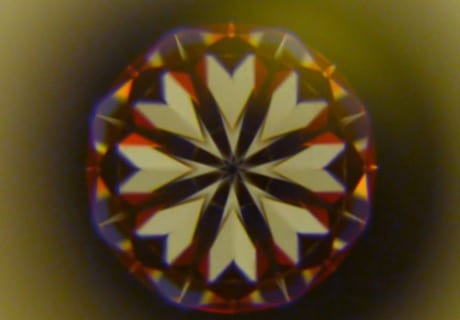
Diamond cut grade - the most important of the 4 C's - Si Vis Amari

CUT

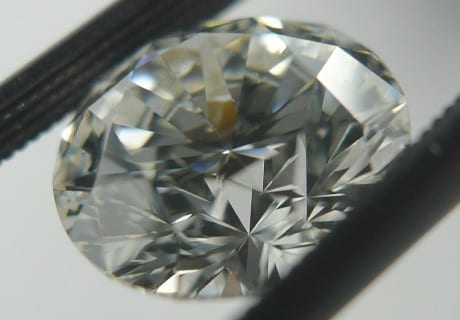
Diamond clarity scale - understanding inclusions and blemishes - Si Vis Amari

CLARITY

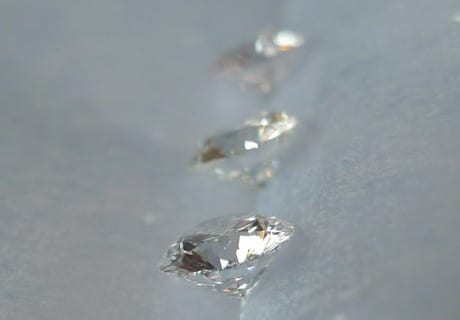
Diamond colour scale - grading from D to Z - Si Vis Amari

COLOUR

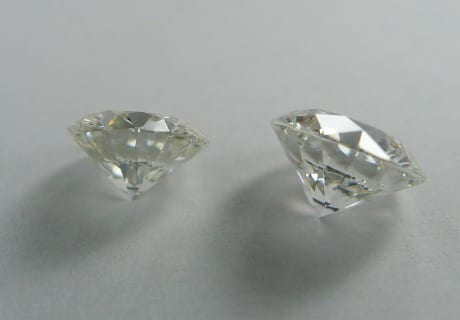
Diamond carat weight - understanding size and weight - Si Vis Amari

CARAT

Cut

The cut is the single biggest factor in how much a diamond sparkles. It is not to be confused with the shape (round, oval, emerald). Cut refers to how well the diamond has been proportioned and finished, which determines how effectively light enters, reflects and exits the stone. A well cut diamond will display brilliance, fire and scintillation. A poorly cut diamond, regardless of its colour or clarity grade, will look dull. At Si Vis Amari, we only work with Excellent and Ideal cut grades because we believe cut quality should never be compromised.

Clarity

Clarity refers to the blemishes and inclusions present in a diamond. Almost every diamond has some form of natural characteristic, but what matters is whether you can see them. The clarity scale runs from Flawless (FL) down to Included (I3), and most of the diamonds in our collection sit within the VVS1 to VS2 range. When assessing clarity, we think it is important that you do not see these imperfections with the naked eye. Two diamonds with the same clarity grade can look very different depending on where inclusions are positioned, which is why we assess every stone in person.

Colour

Diamond colour is graded on a scale from D (completely colourless) to Z (light yellow or brown). The differences between grades can be subtle, and a diamond on the low side of its grade can look noticeably different from one on the high side. Colour is more complicated than a simple letter might suggest. Our lab grown diamonds are typically graded D or E, while for natural diamonds we source stones to match your specific requirements and budget.

Carat

Carat refers to the weight of your diamond, not its size. People are often fixated on carat weight, but this is actually the least important of the 4 C’s when it comes to how beautiful a diamond looks. A well cut 0.90 carat diamond can appear larger and more brilliant than a poorly cut 1.00 carat stone. We always recommend prioritising cut quality over carat weight, and we are happy to explain why during a consultation.

Which of the 4 C’s Is Most Important?

Cut, every time. A diamond with perfect colour and clarity will still look lifeless if the cut is poor. This is something the certificate alone will not tell you, and it is one of the reasons we encourage every customer to view diamonds in person at our Didsbury or Manchester studios. We can show you the difference side by side, and once you see it, it is impossible to unsee.

Beyond the 4 C’s

The 4 C’s are the starting point, but experienced jewellers assess diamonds on additional factors that do not appear on a standard grading report. Polish, symmetry, fluorescence, brown or green tinge, and length to width ratio all play a role in how a diamond looks in real life. We plan to cover each of these topics in detail in the future. For now, our team is always available to walk you through the finer points during a consultation.

Choosing the Right Diamond

Whether you are selecting a diamond for a bespoke engagement ring, a pair of earrings, or a pendant, the same principles apply. We work with both lab grown diamonds and natural diamonds, all independently certified by the GIA or IGI. Every stone in our collection has been individually selected because it met our standards, not just on paper, but in hand.

Frequently Asked Questions

What are the 4 C’s of diamonds?

The 4 C’s are cut, clarity, colour and carat weight. This grading system was created by the Gemological Institute of America (GIA) and is the universal standard used to evaluate diamonds worldwide. Each characteristic is graded independently, and together they determine the quality and value of a diamond.

Which of the 4 C’s matters most?

Cut is the most important of the 4 C’s. It determines how much light a diamond reflects and therefore how much it sparkles. A diamond with excellent colour and clarity but a poor cut will look dull compared to a well cut stone with slightly lower grades elsewhere.

Do lab grown diamonds use the same 4 C’s grading?

Yes. Lab grown diamonds are graded using the same 4 C’s system as natural diamonds. They are assessed by independent laboratories including the GIA and IGI, and receive the same style of grading report. Browse our lab grown diamonds page for more detail.

What is a good diamond clarity for an engagement ring?

For most engagement rings, VS1 to VS2 clarity offers the best balance of quality and value. At these grades, inclusions are not visible to the naked eye. We always recommend viewing diamonds in person, as two stones with the same clarity grade can look different depending on the type and position of inclusions.

0